
Introduction
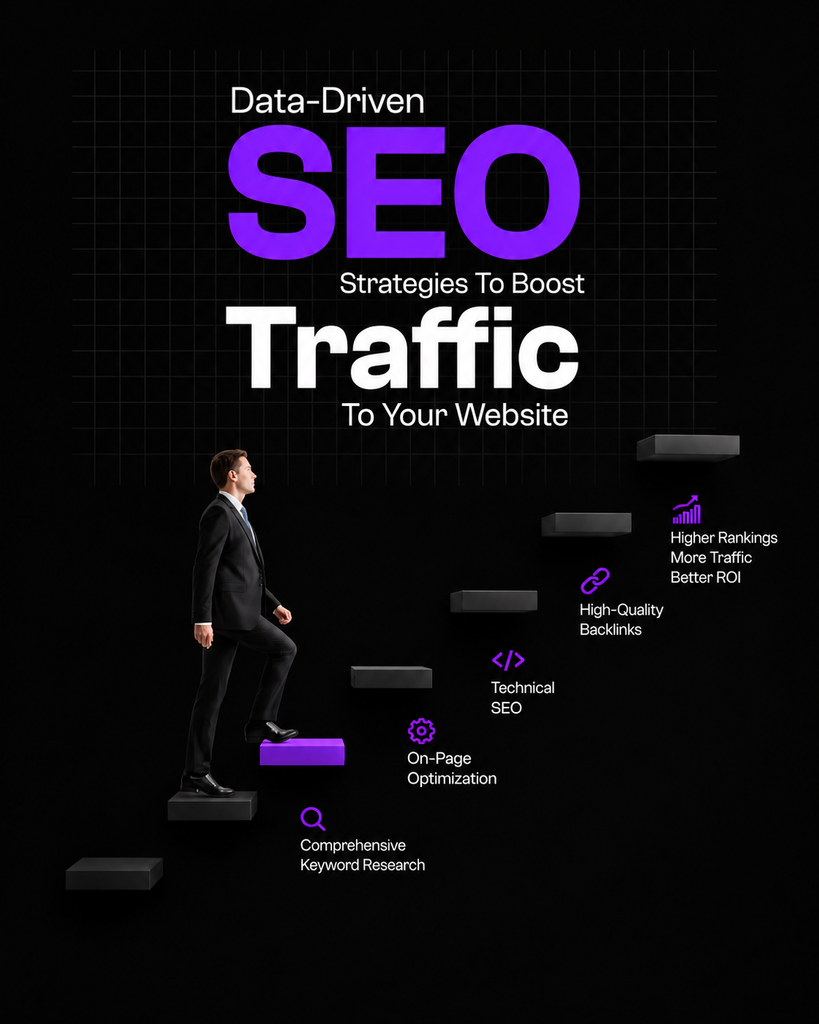
In today’s digital world, having a website is not enough to grow your business online. Your website needs to reach the right audience and appear in search results when people look for products, services, or information related to your business. This is where Search Engine Optimization (SEO) becomes important.Simple SEO strategies can help businesses improve their search engine rankings, attract organic traffic, and build a strong online presence. By optimizing website content, using relevant keywords, and improving user experience, you can boost your website traffic and reach your target audience.
SEO is the process of improving your website to help search engines understand your content and make it easier for people to discover your pages through organic search results.
The good news is that you do not need to be an SEO expert to get started. By following a few simple and effective SEO strategies, you can improve your website’s visibility, attract relevant visitors, and build a stronger online presence.
In this blog, we will explore practical SEO strategies that can help boost your website traffic.
1. Find the Right Keywords
Keyword research is one of the most important steps in SEO. Keywords are the words and phrases people type into search engines when looking for information, products, or services.
Choosing relevant keywords helps you understand what your target audience is searching for and create content that meets their needs.
How to find the right keywords:
- Use Google Keyword Planner or other keyword research tools.
- Explore Google autocomplete suggestions.
- Review related searches and questions.
- Focus on keywords that match your products, services, and audience.
- Consider long-tail keywords, which are more specific search phrases.
For example, instead of targeting only “digital marketing,” a local agency might create content around “digital marketing services in Malappuram.”
Specific keywords can help you reach people with clearer search intent.
2. Create High-Quality, Helpful Content
Content plays a major role in attracting organic website traffic. Search engines aim to provide users with useful, relevant answers to their questions.
Create content that solves problems, answers common questions, and provides genuine value to your audience.
You can publish:
- Informative blog posts
- Step-by-step guides
- Frequently asked questions
- Product and service pages
- Case studies and practical examples
- Industry tips and tutorials
For example, a digital marketing agency could publish blogs about SEO basics, social media marketing, Google Ads, and lead generation.
Keep your content clear, accurate, original, and easy to read. Avoid creating articles solely to repeat keywords or reach a particular word count.
Tip: Write for people first and optimize your content for search engines naturally.
3. Optimize Your Page Titles and Meta Descriptions
Page titles and meta descriptions help communicate what a webpage is about in search results.
A good title should describe the page clearly and include the main keyword where appropriate. A useful meta description summarizes the page and gives users a reason to visit.
Example:
SEO Title: Simple SEO Strategies to Boost Website Traffic
Meta Description: Discover simple SEO strategies to improve search visibility, optimize your website, create helpful content, and attract more organic traffic.
Make every page title unique and relevant. Keep descriptions informative and avoid misleading promises. Search engines may sometimes generate a different title or snippet based on the search query.
4. Improve Your Website Loading Speed
Website speed affects user experience. Visitors may become frustrated if pages take too long to load, especially on mobile devices.
A faster, more responsive website makes it easier for users to explore your content and complete important actions.
Simple ways to improve website speed:
- Compress images without sacrificing too much quality.
- Use modern image formats such as WebP where appropriate.
- Reduce unnecessary plugins and scripts.
- Enable browser caching where supported.
- Choose reliable website hosting.
- Review performance using Google PageSpeed Insights.
Also pay attention to Google’s Core Web Vitals, which measure aspects of loading performance, responsiveness, and visual stability.
A technically sound website gives visitors a smoother experience and supports your overall SEO efforts.
5. Make Your Website Mobile-Friendly
Many people browse the internet using smartphones. If your website is difficult to navigate on a small screen, visitors may leave without exploring your content.
A mobile-friendly website should have readable text, responsive layouts, easy-to-use menus, and buttons that are comfortable to tap.
To improve mobile usability:
- Use a responsive website design.
- Avoid text that is too small.
- Make sure images fit the screen.
- Keep navigation simple.
- Test important pages on different screen sizes.
Google primarily uses the mobile version of a website’s content for indexing, so ensure that your mobile site contains the important information available on the desktop version.
6. Use Internal Links Strategically
Internal links connect one page of your website to another. They help visitors discover related content and help search engines understand your website’s structure.
For example, a blog about SEO strategies could link to other articles about keyword research, content marketing, website optimization, and digital marketing services.
Best practices for internal linking:
- Link to relevant pages naturally.
- Use descriptive anchor text.
- Help readers find useful related information.
- Ensure important pages are accessible through your site’s navigation or links.
- Regularly check for broken links.
A thoughtful internal linking structure improves navigation and helps visitors spend more time exploring useful content.
7. Optimize Images for SEO
Images can make your website more engaging, but they should also be optimized for performance and accessibility.
Search engines use information such as surrounding text, image file names, and alternative text to better understand images.
Follow these practices:
- Use descriptive file names.
- Add meaningful alt text when appropriate.
- Compress large image files.
- Choose suitable image dimensions.
- Use modern formats where supported.
- Ensure images do not slow down the page.
For example, instead of naming an image “IMG1234.jpg,” use a descriptive name such as “seo-strategies-website-traffic.jpg” when it accurately represents the image.
Alt text should describe the image’s relevant content rather than simply repeat keywords.
8. Focus on Local SEO
If your business serves a particular city, town, or region, local SEO can help people discover your business when searching for nearby products and services.
Local SEO is especially useful for restaurants, shops, agencies, salons, and service providers.
Simple local SEO strategies include:
- Create and maintain a Google Business Profile if eligible.
- Keep your business name, address, phone number, and opening hours accurate.
- Choose relevant business categories.
- Add genuine photos of your business.
- Encourage satisfied customers to leave honest reviews.
- Create useful location-specific website content.
- Respond professionally to customer reviews.
For example, a business serving Malappuram could create a useful service page explaining what it offers to customers in that area.
Avoid creating multiple low-quality location pages that provide little value. Focus on accurate information and a genuinely useful local experience.
9. Earn Quality Backlinks
Backlinks are links from other websites to your website. Relevant links can help search engines discover your content and may contribute to your site’s authority and reputation.
However, not every backlink is valuable. Focus on earning links naturally rather than purchasing large numbers of low-quality links.
Ways to earn quality backlinks:
- Publish original research or useful resources.
- Create helpful guides that others may reference.
- Collaborate with relevant businesses.
- Contribute expert insights to reputable publications.
- Build relationships with people in your industry.
- Promote valuable content through appropriate channels.
Avoid manipulative link schemes and spammy link-building practices, which can violate search engine guidelines.
10. Track Your SEO Performance
SEO is an ongoing process. Monitoring performance helps you understand which strategies are working and where improvements are needed.
Two useful free tools are Google Search Console and Google Analytics.
Google Search Console helps you monitor search visibility, impressions, clicks, indexing issues, and search queries. Google Analytics helps you understand website traffic and user behavior.
Track important metrics such as:
- Organic search clicks
- Search impressions
- Click-through rate
- Keyword and page performance
- Organic landing-page visits
- Conversions, leads, or purchases
- Website engagement
Review your results regularly and use the data to improve pages that are underperforming. SEO results can take time, so focus on sustained progress instead of expecting immediate increases in traffic.
Why Simple SEO Strategies Matter
Simple SEO Strategies help businesses improve website visibility and attract more organic traffic. By following Simple SEO Strategies such as keyword research, content optimization, and image optimization, you can help search engines understand your website better. These Simple SEO Strategies also improve user experience and make it easier for visitors to find useful information. Consistently applying Simple SEO Strategies can help your website reach the right audience and support long-term online growth.
Conclusion
Boosting website traffic through SEO does not have to be complicated. By focusing on keyword research, helpful content, on-page optimization, website speed, mobile usability, internal linking, image optimization, local SEO, and performance tracking, you can build a strong foundation for organic growth.
The key is consistency. Keep your content useful, improve your website experience, follow search engine guidelines, and measure your results over time.
Remember, successful SEO is not just about getting more visitors. It is about attracting the right visitors who are genuinely interested in your content, products, or services.
**Start implementIn today’s digital world, having a website is not enough to grow your business online. Your website needs to reach the right audience and appear in search results when people look for products, services, or information related to your business. This is where Search Engine Optimization (SEO) becomes important.Simple SEO strategies can help businesses improve their search engine rankings, attract organic traffic, and build a strong online presence. By optimizing website content, using relevant keywords, and improving user experience, you can boost your website traffic and reach your target audience.
SEO is the process of improving your website to help search engines understand your content and make it easier for people to discover your pages through organic search results.
The good news is that you do not need to be an SEO expert to get started. By following a few simple and effective SEO strategies, you can improve your website’s visibility, attract relevant visitors, and build a stronger online presence.
In this blog, we will explore practical SEO strategies that can help boost your website traffic.
1. Find the Right Keywords
Keyword research is one of the most important steps in SEO. Keywords are the words and phrases people type into search engines when looking for information, products, or services.
Choosing relevant keywords helps you understand what your target audience is searching for and create content that meets their needs.
How to find the right keywords:
- Use Google Keyword Planner or other keyword research tools.
- Explore Google autocomplete suggestions.
- Review related searches and questions.
- Focus on keywords that match your products, services, and audience.
- Consider long-tail keywords, which are more specific search phrases.
For example, instead of targeting only “digital marketing,” a local agency might create content around “digital marketing services in Malappuram.”
Specific keywords can help you reach people with clearer search intent.
2. Create High-Quality, Helpful Content
Content plays a major role in attracting organic website traffic. Search engines aim to provide users with useful, relevant answers to their questions.
Create content that solves problems, answers common questions, and provides genuine value to your audience.
You can publish:
- Informative blog posts
- Step-by-step guides
- Frequently asked questions
- Product and service pages
- Case studies and practical examples
- Industry tips and tutorials
For example, a digital marketing agency could publish blogs about SEO basics, social media marketing, Google Ads, and lead generation.
Keep your content clear, accurate, original, and easy to read. Avoid creating articles solely to repeat keywords or reach a particular word count.
Tip: Write for people first and optimize your content for search engines naturally.
3. Optimize Your Page Titles and Meta Descriptions
Page titles and meta descriptions help communicate what a webpage is about in search results.
A good title should describe the page clearly and include the main keyword where appropriate. A useful meta description summarizes the page and gives users a reason to visit.
Example:
SEO Title: Simple SEO Strategies to Boost Website Traffic
Meta Description: Discover simple SEO strategies to improve search visibility, optimize your website, create helpful content, and attract more organic traffic.
Make every page title unique and relevant. Keep descriptions informative and avoid misleading promises. Search engines may sometimes generate a different title or snippet based on the search query.
4. Improve Your Website Loading Speed
Website speed affects user experience. Visitors may become frustrated if pages take too long to load, especially on mobile devices.
A faster, more responsive website makes it easier for users to explore your content and complete important actions.
For more information about improving your website’s search visibility, read Google’s official SEO Starter Guide, which explains SEO best practices and how search engines discover and understand website content.
Simple ways to improve website speed:
- Compress images without sacrificing too much quality.
- Use modern image formats such as WebP where appropriate.
- Reduce unnecessary plugins and scripts.
- Enable browser caching where supported.
- Choose reliable website hosting.
- Review performance using Google PageSpeed Insights.
Also pay attention to Google’s Core Web Vitals, which measure aspects of loading performance, responsiveness, and visual stability.
A technically sound website gives visitors a smoother experience and supports your overall SEO efforts.
5. Make Your Website Mobile-Friendly
Many people browse the internet using smartphones. If your website is difficult to navigate on a small screen, visitors may leave without exploring your content.
A mobile-friendly website should have readable text, responsive layouts, easy-to-use menus, and buttons that are comfortable to tap.
To improve mobile usability:
- Use a responsive website design.
- Avoid text that is too small.
- Make sure images fit the screen.
- Keep navigation simple.
- Test important pages on different screen sizes.
Google primarily uses the mobile version of a website’s content for indexing, so ensure that your mobile site contains the important information available on the desktop version.
6. Use Internal Links Strategically
Internal links connect one page of your website to another. They help visitors discover related content and help search engines understand your website’s structure.
For example, a blog about SEO strategies could link to other articles about keyword research, content marketing, website optimization, and digital marketing services.
Best practices for internal linking:
- Link to relevant pages naturally.
- Use descriptive anchor text.
- Help readers find useful related information.
- Ensure important pages are accessible through your site’s navigation or links.
- Regularly check for broken links.
A thoughtful internal linking structure improves navigation and helps visitors spend more time exploring useful content.
7. Optimize Images for SEO
Images can make your website more engaging, but they should also be optimized for performance and accessibility.
Search engines use information such as surrounding text, image file names, and alternative text to better understand images.
Follow these practices:
- Use descriptive file names.
- Add meaningful alt text when appropriate.
- Compress large image files.
- Choose suitable image dimensions.
- Use modern formats where supported.
- Ensure images do not slow down the page.
For example, instead of naming an image “IMG1234.jpg,” use a descriptive name such as “seo-strategies-website-traffic.jpg” when it accurately represents the image.
Alt text should describe the image’s relevant content rather than simply repeat keywords.
8. Focus on Local SEO
If your business serves a particular city, town, or region, local SEO can help people discover your business when searching for nearby products and services.
Local SEO is especially useful for restaurants, shops, agencies, salons, and service providers.
Simple local SEO strategies include:
- Create and maintain a Google Business Profile if eligible.
- Keep your business name, address, phone number, and opening hours accurate.
- Choose relevant business categories.
- Add genuine photos of your business.
- Encourage satisfied customers to leave honest reviews.
- Create useful location-specific website content.
- Respond professionally to customer reviews.
For example, a business serving Malappuram could create a useful service page explaining what it offers to customers in that area.
Avoid creating multiple low-quality location pages that provide little value. Focus on accurate information and a genuinely useful local experience.
9. Earn Quality Backlinks
Backlinks are links from other websites to your website. Relevant links can help search engines discover your content and may contribute to your site’s authority and reputation.
However, not every backlink is valuable. Focus on earning links naturally rather than purchasing large numbers of low-quality links.
Ways to earn quality backlinks:
- Publish original research or useful resources.
- Create helpful guides that others may reference.
- Collaborate with relevant businesses.
- Contribute expert insights to reputable publications.
- Build relationships with people in your industry.
- Promote valuable content through appropriate channels.
Avoid manipulative link schemes and spammy link-building practices, which can violate search engine guidelines.
10. Track Your SEO Performance
SEO is an ongoing process. Monitoring performance helps you understand which strategies are working and where improvements are needed.
Two useful free tools are Google Search Console and Google Analytics.
Google Search Console helps you monitor search visibility, impressions, clicks, indexing issues, and search queries. Google Analytics helps you understand website traffic and user behavior.
Track important metrics such as:
- Organic search clicks
- Search impressions
- Click-through rate
- Keyword and page performance
- Organic landing-page visits
- Conversions, leads, or purchases
- Website engagement
Review your results regularly and use the data to improve pages that are underperforming. SEO results can take time, so focus on sustained progress instead of expecting immediate increases in traffic.
Why Simple SEO Strategies Matter
Simple SEO Strategies help businesses improve website visibility and attract more organic traffic. By following Simple SEO Strategies such as keyword research, content optimization, and image optimization, you can help search engines understand your website better. These Simple SEO Strategies also improve user experience and make it easier for visitors to find useful information. Consistently applying Simple SEO Strategies can help your website reach the right audience and support long-term online growth.
To learn more about improving your website’s search performance, read our guide on Digital Marketing Services. It will help you understand how SEO and other digital marketing strategies can improve your online visibility.
Conclusion
Boosting website traffic through SEO does not have to be complicated. By focusing on keyword research, helpful content, on-page optimization, website speed, mobile usability, internal linking, image optimization, local SEO, and performance tracking, you can build a strong foundation for organic growth.
The key is consistency. Keep your content useful, improve your website experience, follow search engine guidelines, and measure your results over time.
Remember, successful SEO is not just about getting more visitors. It is about attracting the right visitors who are genuinely interested in your content, products, or services.
**Start implementIn today’s digital world, having a website is not enough to grow your business online. Your website needs to reach the right audience and appear in search results when people look for products, services, or information related to your business. This is where Search Engine Optimization (SEO) becomes important.Simple SEO strategies can help businesses improve their search engine rankings, attract organic traffic, and build a strong online presence. By optimizing website content, using relevant keywords, and improving user experience, you can boost your website traffic and reach your target audience.
SEO is the process of improving your website to help search engines understand your content and make it easier for people to discover your pages through organic search results.
The good news is that you do not need to be an SEO expert to get started. By following a few simple and effective SEO strategies, you can improve your website’s visibility, attract relevant visitors, and build a stronger online presence.
In this blog, we will explore practical SEO strategies that can help boost your website traffic.
1. Find the Right Keywords
Keyword research is one of the most important steps in SEO. Keywords are the words and phrases people type into search engines when looking for information, products, or services.
Choosing relevant keywords helps you understand what your target audience is searching for and create content that meets their needs.
How to find the right keywords:
- Use Google Keyword Planner or other keyword research tools.
- Explore Google autocomplete suggestions.
- Review related searches and questions.
- Focus on keywords that match your products, services, and audience.
- Consider long-tail keywords, which are more specific search phrases.
For example, instead of targeting only “digital marketing,” a local agency might create content around “digital marketing services in Malappuram.”
Specific keywords can help you reach people with clearer search intent.
2. Create High-Quality, Helpful Content
Content plays a major role in attracting organic website traffic. Search engines aim to provide users with useful, relevant answers to their questions.
Create content that solves problems, answers common questions, and provides genuine value to your audience.
You can publish:
- Informative blog posts
- Step-by-step guides
- Frequently asked questions
- Product and service pages
- Case studies and practical examples
- Industry tips and tutorials
For example, a digital marketing agency could publish blogs about SEO basics, social media marketing, Google Ads, and lead generation.
Keep your content clear, accurate, original, and easy to read. Avoid creating articles solely to repeat keywords or reach a particular word count.
Tip: Write for people first and optimize your content for search engines naturally.
3. Optimize Your Page Titles and Meta Descriptions
Page titles and meta descriptions help communicate what a webpage is about in search results.
A good title should describe the page clearly and include the main keyword where appropriate. A useful meta description summarizes the page and gives users a reason to visit.
Example:
SEO Title: Simple SEO Strategies to Boost Website Traffic
Meta Description: Discover simple SEO strategies to improve search visibility, optimize your website, create helpful content, and attract more organic traffic.
Make every page title unique and relevant. Keep descriptions informative and avoid misleading promises. Search engines may sometimes generate a different title or snippet based on the search query.
4. Improve Your Website Loading Speed
Website speed affects user experience. Visitors may become frustrated if pages take too long to load, especially on mobile devices.
A faster, more responsive website makes it easier for users to explore your content and complete important actions.
Simple ways to improve website speed:
- Compress images without sacrificing too much quality.
- Use modern image formats such as WebP where appropriate.
- Reduce unnecessary plugins and scripts.
- Enable browser caching where supported.
- Choose reliable website hosting.
- Review performance using Google PageSpeed Insights.
Also pay attention to Google’s Core Web Vitals, which measure aspects of loading performance, responsiveness, and visual stability.
A technically sound website gives visitors a smoother experience and supports your overall SEO efforts.
5. Make Your Website Mobile-Friendly
Many people browse the internet using smartphones. If your website is difficult to navigate on a small screen, visitors may leave without exploring your content.
A mobile-friendly website should have readable text, responsive layouts, easy-to-use menus, and buttons that are comfortable to tap.
To improve mobile usability:
- Use a responsive website design.
- Avoid text that is too small.
- Make sure images fit the screen.
- Keep navigation simple.
- Test important pages on different screen sizes.
Google primarily uses the mobile version of a website’s content for indexing, so ensure that your mobile site contains the important information available on the desktop version.
6. Use Internal Links Strategically
Internal links connect one page of your website to another. They help visitors discover related content and help search engines understand your website’s structure.
For example, a blog about SEO strategies could link to other articles about keyword research, content marketing, website optimization, and digital marketing services.
Best practices for internal linking:
- Link to relevant pages naturally.
- Use descriptive anchor text.
- Help readers find useful related information.
- Ensure important pages are accessible through your site’s navigation or links.
- Regularly check for broken links.
A thoughtful internal linking structure improves navigation and helps visitors spend more time exploring useful content.
7. Optimize Images for SEO
Images can make your website more engaging, but they should also be optimized for performance and accessibility.
Search engines use information such as surrounding text, image file names, and alternative text to better understand images.
Follow these practices:
- Use descriptive file names.
- Add meaningful alt text when appropriate.
- Compress large image files.
- Choose suitable image dimensions.
- Use modern formats where supported.
- Ensure images do not slow down the page.
For example, instead of naming an image “IMG1234.jpg,” use a descriptive name such as “seo-strategies-website-traffic.jpg” when it accurately represents the image.
Alt text should describe the image’s relevant content rather than simply repeat keywords.
8. Focus on Local SEO
If your business serves a particular city, town, or region, local SEO can help people discover your business when searching for nearby products and services.
Local SEO is especially useful for restaurants, shops, agencies, salons, and service providers.
Simple local SEO strategies include:
- Create and maintain a Google Business Profile if eligible.
- Keep your business name, address, phone number, and opening hours accurate.
- Choose relevant business categories.
- Add genuine photos of your business.
- Encourage satisfied customers to leave honest reviews.
- Create useful location-specific website content.
- Respond professionally to customer reviews.
For example, a business serving Malappuram could create a useful service page explaining what it offers to customers in that area.
Avoid creating multiple low-quality location pages that provide little value. Focus on accurate information and a genuinely useful local experience.
9. Earn Quality Backlinks
Backlinks are links from other websites to your website. Relevant links can help search engines discover your content and may contribute to your site’s authority and reputation.
However, not every backlink is valuable. Focus on earning links naturally rather than purchasing large numbers of low-quality links.
Ways to earn quality backlinks:
- Publish original research or useful resources.
- Create helpful guides that others may reference.
- Collaborate with relevant businesses.
- Contribute expert insights to reputable publications.
- Build relationships with people in your industry.
- Promote valuable content through appropriate channels.
Avoid manipulative link schemes and spammy link-building practices, which can violate search engine guidelines.
10. Track Your SEO Performance
SEO is an ongoing process. Monitoring performance helps you understand which strategies are working and where improvements are needed.
Two useful free tools are Google Search Console and Google Analytics.
Google Search Console helps you monitor search visibility, impressions, clicks, indexing issues, and search queries. Google Analytics helps you understand website traffic and user behavior.
Track important metrics such as:
- Organic search clicks
- Search impressions
- Click-through rate
- Keyword and page performance
- Organic landing-page visits
- Conversions, leads, or purchases
- Website engagement
Review your results regularly and use the data to improve pages that are underperforming. SEO results can take time, so focus on sustained progress instead of expecting immediate increases in traffic.
Why Simple SEO Strategies Matter
Simple SEO Strategies help businesses improve website visibility and attract more organic traffic. By following Simple SEO Strategies such as keyword research, content optimization, and image optimization, you can help search engines understand your website better. These Simple SEO Strategies also improve user experience and make it easier for visitors to find useful information. Consistently applying Simple SEO Strategies can help your website reach the right audience and support long-term online growth.
Conclusion
Boosting website traffic through SEO does not have to be complicated. By focusing on keyword research, helpful content, on-page optimization, website speed, mobile usability, internal linking, image optimization, local SEO, and performance tracking, you can build a strong foundation for organic growth.
The key is consistency. Keep your content useful, improve your website experience, follow search engine guidelines, and measure your results over time.
Remember, successful SEO is not just about getting more visitors. It is about attracting the right visitors who are genuinely interested in your content, products, or services.
**Start implement